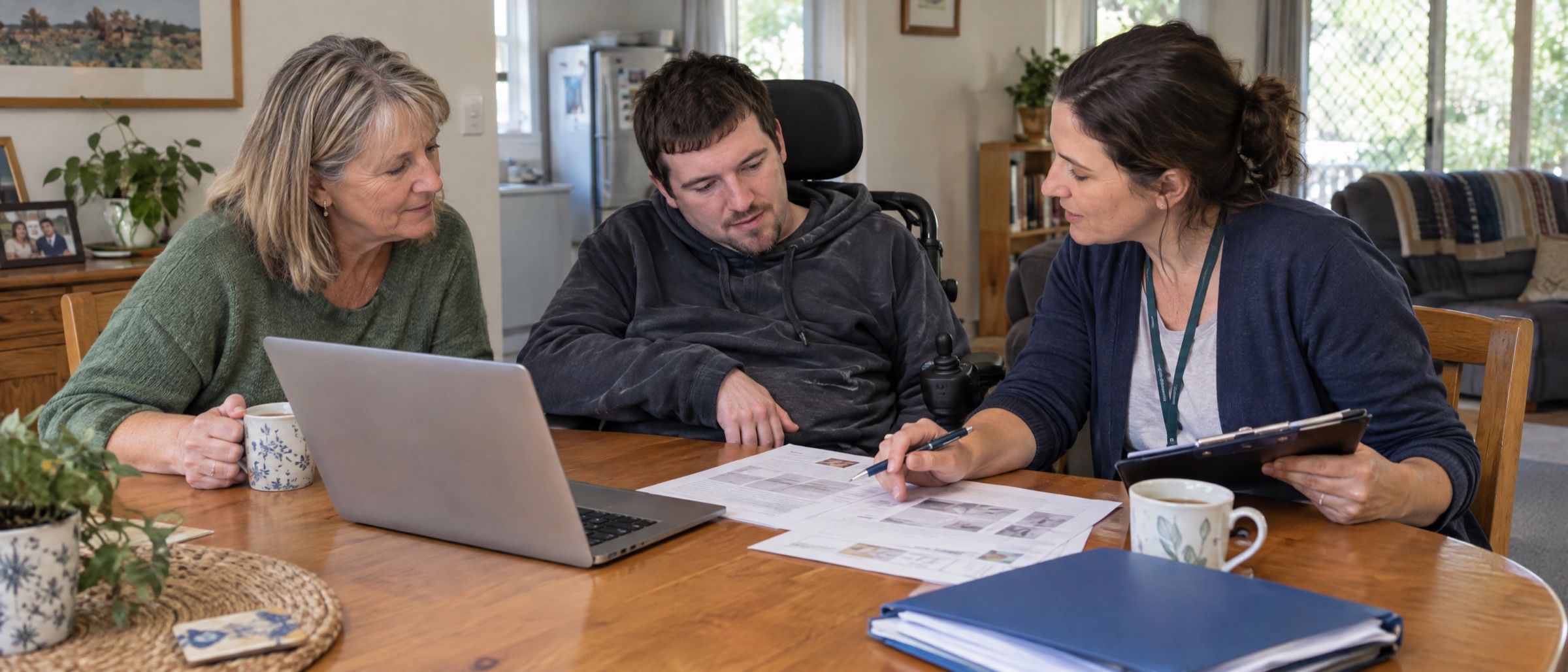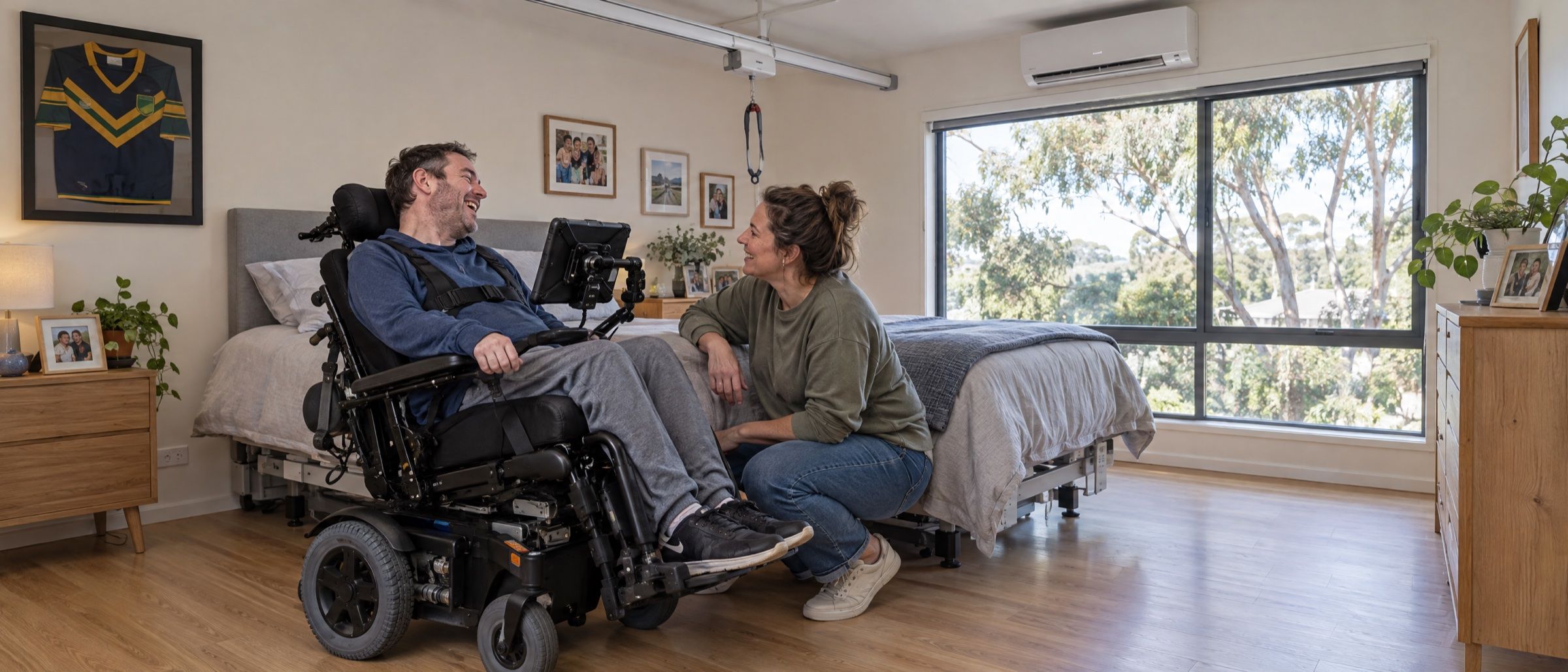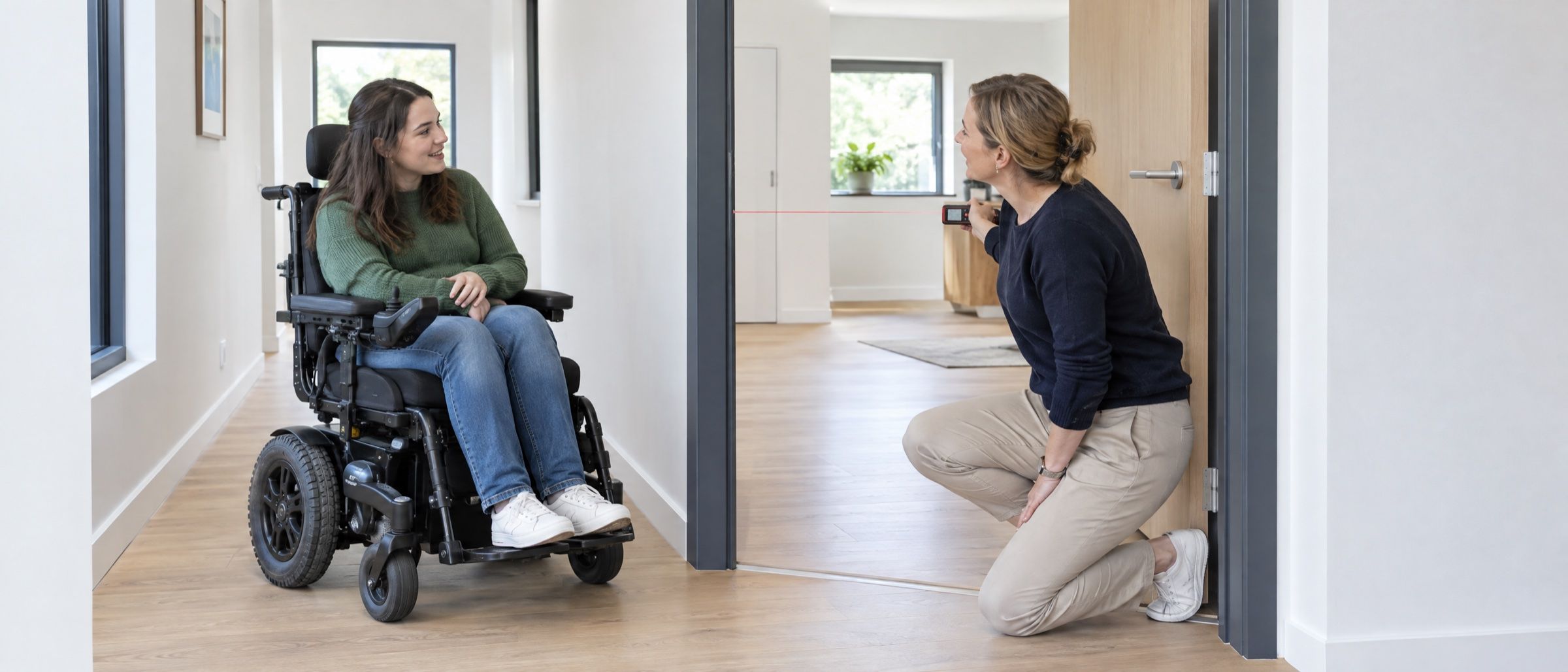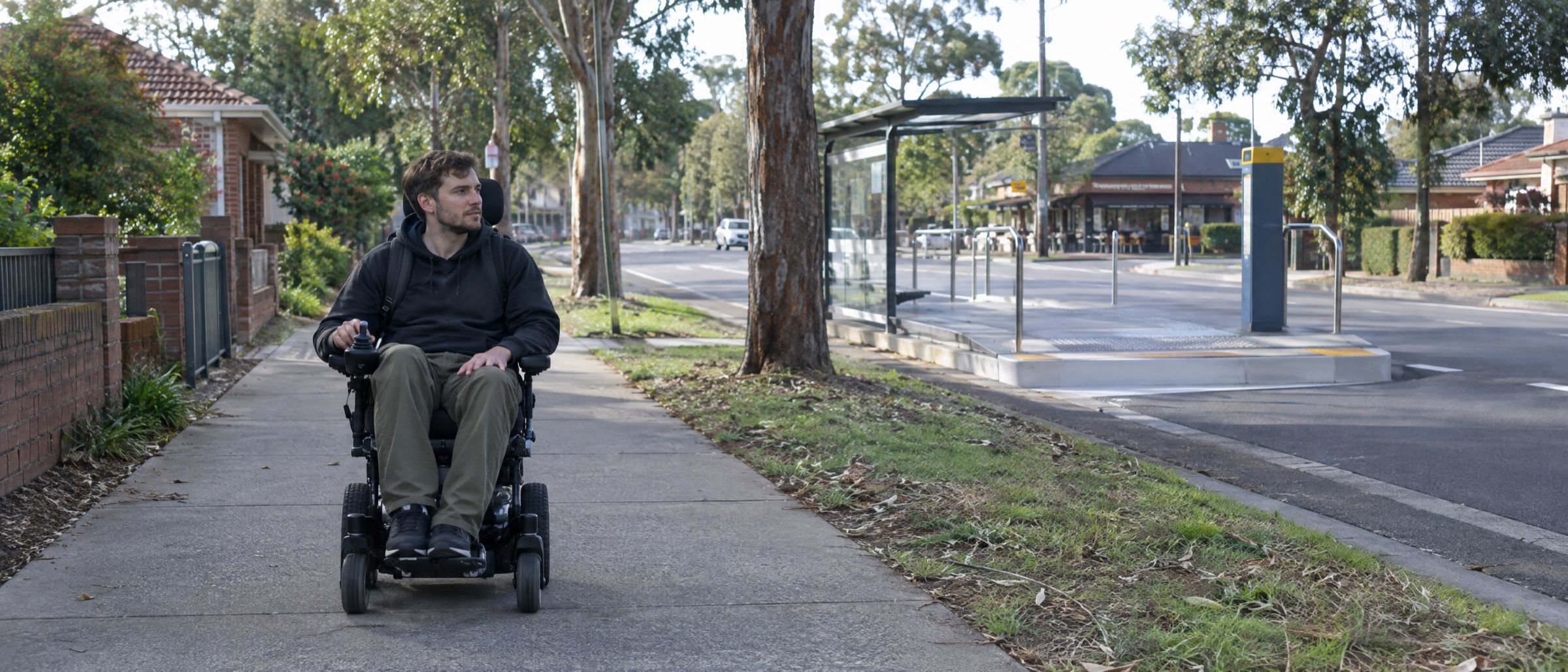
Finding SDA housing in Sydney can feel like looking for a needle in a haystack. Specialist Disability Accommodation (SDA) is spread across a huge city, vacancies come and go quickly, and every listing seems to use different words.
This guide explains how the search actually works, step by step, from reading your plan to visiting a home. It is written for participants, families and support coordinators.
Step 1: read the SDA details in your plan
Before you search, find three details in your NDIS plan. Every SDA provider will ask for them.
- Design category: improved liveability, fully accessible, robust or high physical support
- Building type: apartment; villa, duplex or townhouse; house; or group home
- Location: the area the NDIA has funded, based on where you said you want to live
You can live in any SDA home that matches those details. You can also choose a lower-value home than your plan allows. If you want a higher-cost category or building type, the NDIA will not pay the difference, so talk to the provider first.
Not sure what the categories mean? Read SDA design categories explained. Do not have SDA in your plan yet? Start with SDA eligibility.
Step 2: decide what matters about the location
The NDIA generally funds SDA in the location you choose, and it looks at whether that location helps you pursue your goals, connect with community and culture, and stay close to family and friends. Use the same lens yourself. A beautiful home in the wrong place rarely works.
Things to weigh up:
- Family and friends. How far will the people who visit you most have to travel?
- Health services. Where are your hospital, specialists, GP and therapists?
- Transport. Is there an accessible train station or bus stop nearby? Is the footpath to it step-free?
- Work, study and day activities. How long is the trip, and how will you get there?
- Everyday life. Shops, a pharmacy, a cafe, a park you can actually get around.
- Support. Does your support provider already work in the area, or is there support on site?
Sydney’s regions at a glance
SDA homes are not spread evenly across Sydney, and the areas with the most choice change as new buildings are finished and enrolled. Some people widen their search to the Illawarra or the Central Coast, to find the right home sooner or to be near family.
If you are flexible, tell providers which regions you would consider, not only one suburb. It can make a real difference to how quickly you find a match.
Step 3: search in more than one place
There is no single list of every SDA vacancy in Sydney, so search in several places at once.
- The NDIS SDA finder. The NDIA’s own search tool shows enrolled SDA, and providers can list vacancies there. It also shows homes without a current vacancy, so you can ask a provider about future openings.
- SDA providers directly. Many providers list homes on their own websites. Contact them even if nothing is advertised, and ask to be told when something opens.
- Your support coordinator. Support coordinators keep in touch with providers and can send a referral for you. The NDIA can fund support coordination to help you find a provider.
- Vacancy alerts. Sign up with providers who offer them so you hear about new homes straight away.
You can talk to as many providers as you like. Being organised helps: keep a simple list of who you contacted, when, and what they said.
Step 4: contact providers with the right information
A clear first message gets a faster, more useful answer. Include:
- your design category, building type and location from your plan
- the suburbs or regions you would consider
- when you would like to move
- whether you want to live alone or share, and with whom
- any support you need overnight
Please do not send medical reports in a first email. A good provider will give you a secure way to share them. Support coordinators can use our referral form, and our guide to referring a participant for SDA lists what to have ready.
Step 5: visit and ask the hard questions
Visit in person if you can, ideally at the time of day you would normally be home. Bring the person who knows your support needs best.
- Is the home enrolled with the NDIA in the category and building type in my plan?
- What is my rent contribution, exactly, and is it in writing?
- Who provides support in the building, and can I choose someone else?
- How does overnight support work?
- Who fixes things, and how quickly?
- Can I personalise my room?
- What is the neighbourhood like at night and on weekends?
Before you move in you will sign a written service agreement with the SDA provider. Read it carefully, and ask for it in another format if that helps.
What if nothing suitable is available?
It happens, especially in popular suburbs. The NDIA’s guideline says your SDA budget stays in your plan while you look. In the meantime you can:
- widen your search area
- ask providers about homes being built or future vacancies
- use your other supports flexibly so you can stay where you are for now
- ask the NDIA to reassess your plan if your needs have changed
When you do find a home, tell the NDIA so the funding can be added to your plan.
Manora Living’s homes in Sydney and surrounds
All of our current homes are high physical support SDA with onsite overnight assistance.
Western Sydney
- Blacktown: one-bedroom apartments a short walk from Blacktown station and hospital
- Merrylands: one, two and three-bedroom apartments in a new boutique building
- Granville: four self-contained one-bedroom villas with private courtyards
Illawarra and Central Coast
- Wollongong: one-bedroom apartments in a modern building
- Noraville: two five-bedroom houses near local shops
You can browse by suburb on Find a home. Not seeing your area? Tell us where you want to live and we will let you know if a home comes up.
Common questions
How do I find SDA vacancies in Sydney?
Use the NDIS SDA finder, contact SDA providers directly, ask your support coordinator to search and refer for you, and sign up for vacancy alerts. Tell every provider the design category, building type and location in your plan.
Can I choose which suburb I live in?
Yes. The NDIA generally funds SDA in the location you say you want, as long as it works with your other supports and meets the NDIS funding criteria. You can then choose any SDA home that matches your plan.
What if there is no SDA vacancy in the suburb I want?
Your SDA budget stays in your plan while you look. You can widen your search, ask providers about future vacancies, use your other supports flexibly in the meantime, or ask the NDIA to reassess your plan if your needs have changed.
How much does SDA in Sydney cost the tenant?
The same rules apply everywhere in Australia. You pay a reasonable rent contribution of up to 25% of the Disability Support Pension, 25% of the Pension Supplement, and any Commonwealth Rent Assistance you receive, plus your own bills and living costs.
Is SDA in Sydney only for NDIS participants?
SDA funding is only for NDIS participants with SDA in their plan. You can choose to live with a partner, friend or family member who is not a participant, with the provider's agreement. They pay their own costs, including rent.
Sources
- NDIA, Our Guidelines: Specialist disability accommodation
- NDIA, Find specialist disability accommodation
Facts checked against these sources on . NDIS rules change, so check your plan and the NDIA's current guidance before you decide.
Homes with vacancies