SDA and SIL are the two NDIS supports people mix up most often, partly because they so often appear together. The short answer: SDA (Specialist Disability Accommodation) is the home. SIL (Supported Independent Living) is the help you get in it. One pays for bricks and mortar. The other pays for people.
This guide explains each one, how they work together, and what to check when you are looking at a home that offers both.
The difference at a glance
| Feature | SDA | SIL |
|---|---|---|
| What it pays for | The home: the building and its specialist design features | Paid support with daily tasks, including overnight |
| Who it is for | People with extreme functional impairment or very high support needs | People who need some level of help at home all the time |
| Who receives the funding | Your SDA provider, when they provide the home | Your registered SIL provider, for the support they deliver |
| What you pay yourself | A reasonable rent contribution, plus day-to-day costs like bills | Day-to-day costs like groceries and utilities |
| The key agreement | A service agreement (and often a rental agreement) with the SDA provider | A service agreement and a tenancy agreement with the SIL provider |
What SDA is
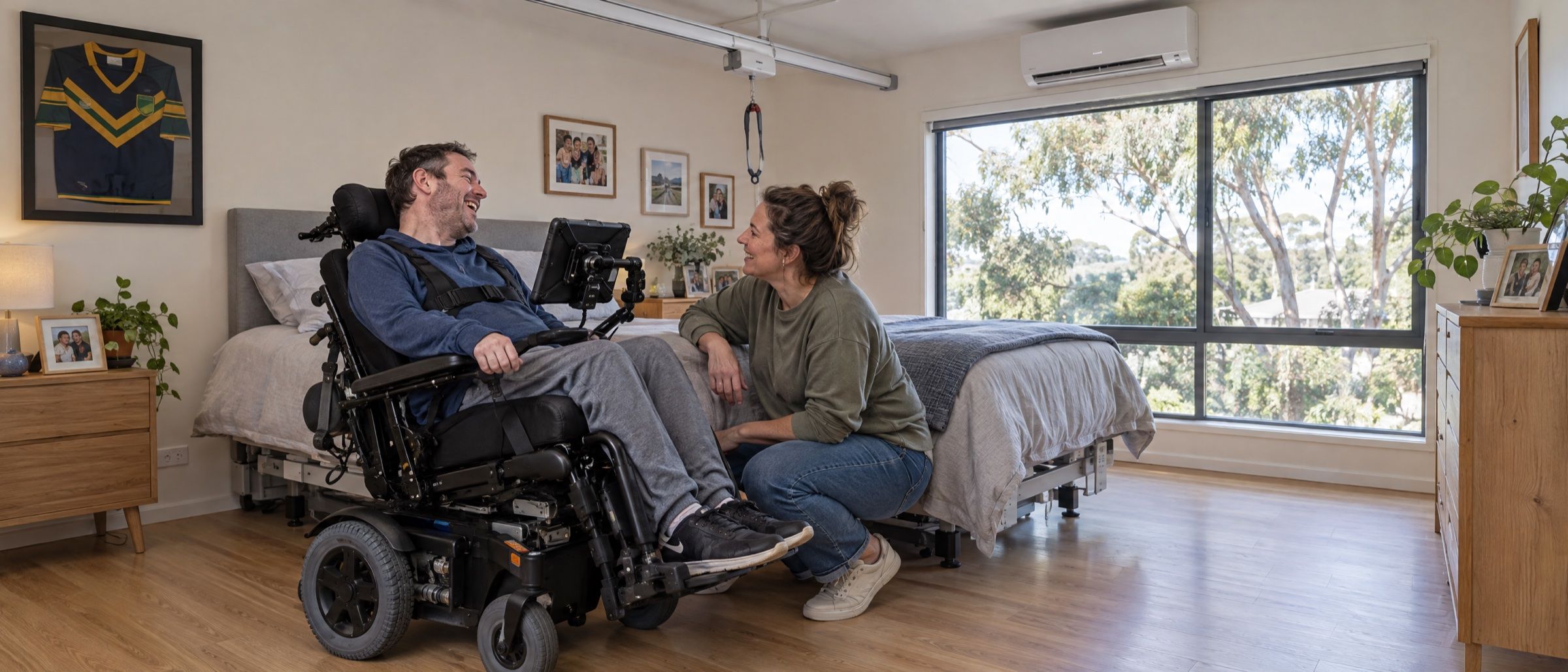
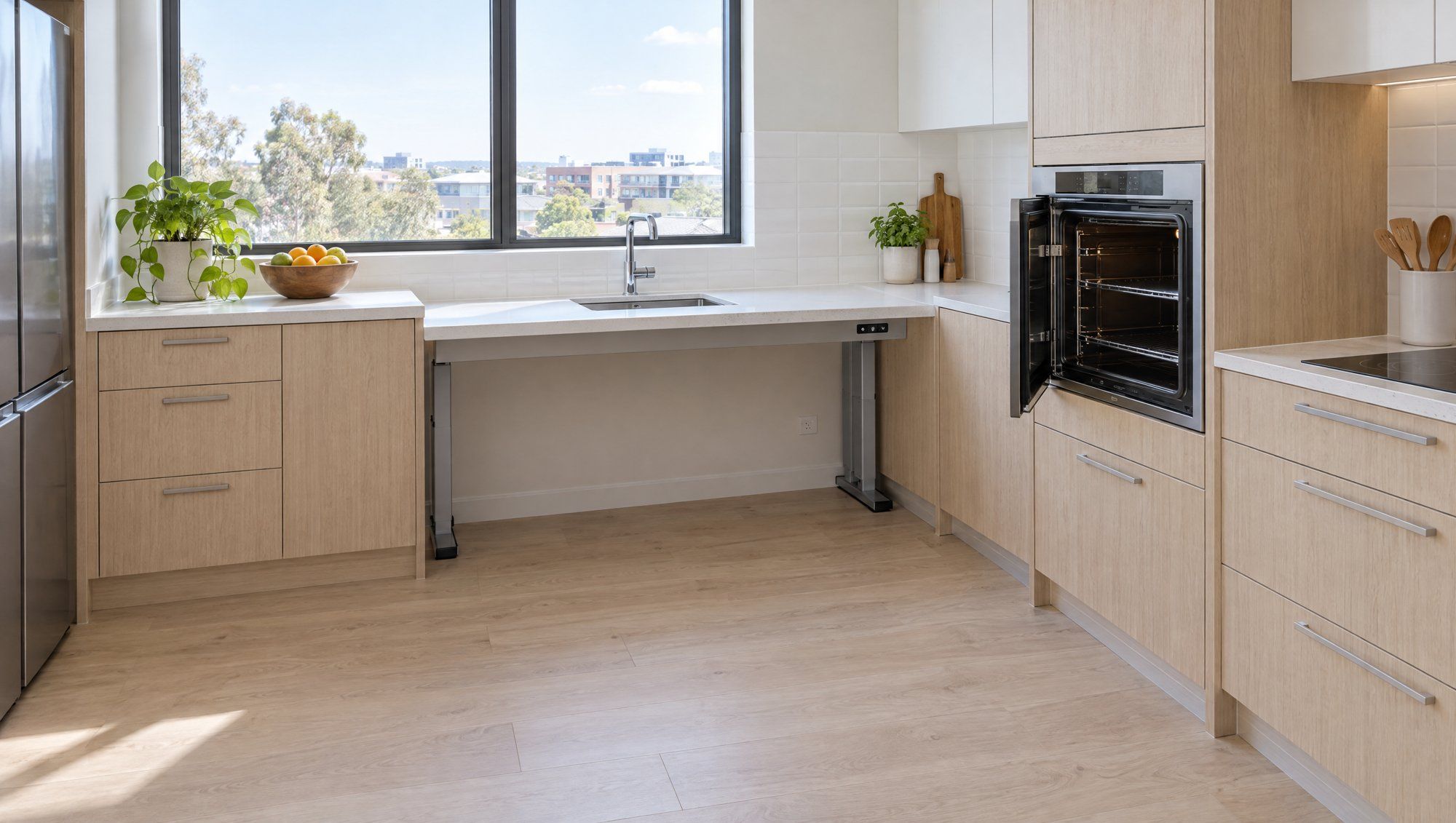
The NDIA describes SDA as housing designed for people with extreme functional impairment or very high support needs. The design helps you live more independently and lets your supports be delivered better or more safely. For example, a home with reinforced ceilings means a ceiling hoist can be installed.
Every SDA home is built to one of four design categories: improved liveability, fully accessible, robust or high physical support. It is also one of four building types: an apartment, a villa, duplex or townhouse, a house, or a group home. Your plan says which category, building type and location you are funded for. Our guide to SDA design categories explains each one.
What SDA does not include matters just as much. The NDIA is clear that SDA does not cover the supports you get in your home, such as personal care or SIL. And apart from SDA, the NDIS does not fund housing at all.
What SIL is
SIL is help or supervision with daily tasks so you can live as independently as possible and build your skills. According to the NDIA’s guideline, it can include:
- personal care
- building skills like cooking, cleaning and keeping a routine
- carrying out a behaviour support plan
- supervision and personal safety
- giving you your medication
- getting to medical appointments and some community activities
SIL is generally for adults (18 and over) who need active disability support for more than 8 hours a day, plus some level of support for the rest of the day and night. If you only need a few hours of support a day, the NDIA will usually look at other options, such as personal care supports.
SIL does not pay for rent, groceries, utilities or vehicle costs. Those are ordinary living costs.
How SDA and SIL work together
Many people who live in SDA also have SIL, because people with very high support needs often need both a specialised home and support around the clock. But they are two separate supports, assessed separately and funded in different parts of your plan.
A simple way to picture it:
- Your SDA provider owns or manages the building. They keep it in good repair and make sure it meets the SDA rules.
- Your SIL provider employs the support workers who help you each day, based on your roster of care.
- You pay your rent contribution and everyday living costs, and you decide who provides your supports.
Some homes have a SIL provider already working in the building, often with staff on site 24 hours a day. That can be a real advantage, because support is close by. It should never be a condition of your tenancy. The NDIA’s guideline says your SDA provider must let you change your providers for other NDIS supports at any time.
Can you have one without the other?
Yes, in both directions.
- SDA without SIL. You might live in SDA and use personal care supports or individualised living options instead of SIL, depending on your needs.
- SIL without SDA. SIL can be delivered in an ordinary rental, a home you own, or a shared house that is not SDA. The NDIA funds SIL on your support needs, not your living arrangement.
If your plan has SDA funding but you are not sure which supports suit you, talk to your support coordinator or the NDIA. The NDIA can also fund an assessment of your home and living needs if it needs more information.
What changed for SIL in 2026
The NDIS Quality and Safeguards Commission now requires every provider delivering SIL to be registered. SIL practice standards came into effect from 1 July 2026. Providers who were delivering SIL before then and applied for registration may keep going under a transition pathway.
What this means for you: before you agree to a SIL provider, check they are registered or have applied. You can search the NDIS Quality and Safeguards Commission’s provider register.
Paying for each one
SDA. You pay a reasonable rent contribution to your SDA provider. The maximum is 25% of the Disability Support Pension, 25% of the Pension Supplement, and any Commonwealth Rent Assistance you receive. Your SDA funding is paid to the provider separately. The amount you pay should be written in your service agreement or a separate rental agreement before you move in.
SIL. SIL funding is paid to your registered SIL provider for the support they deliver, up to the amount in your plan. You still pay your own groceries, bills and personal costs. The NDIA does not fund vacancies in shared SIL homes, and your SIL provider should not raise your costs to cover an empty room.
Questions to ask before you move in
When a home offers SDA with SIL on site, these questions help you see who does what:
- Who is the SDA provider, and who is the SIL provider? Are they the same organisation?
- What is my rent contribution, and is it in writing?
- Is the SIL provider registered with the NDIS Quality and Safeguards Commission?
- If I want a different SIL provider later, can I stay in the home?
- How is overnight support provided: sleepover or active overnight?
- Who do I call about a repair, and who do I call about my support?
At Manora Living we are the SDA provider. We provide the home. You choose who provides your supports. In our buildings with 24/7 support on site, that support comes from the building’s SIL provider, and you are free to choose someone else.
Next steps
- See our high physical support homes
- Read what SDA is or who is eligible for SDA
- Support coordinators can refer a participant
- Contact us with any question, or ask for this guide in another format
Common questions
Can I get SDA without SIL?
Yes. SDA funds the home and SIL funds daily support, and the NDIA decides each one separately. Some people who live in SDA use other supports instead of SIL, such as personal care supports or individualised living options.
Can I get SIL without living in SDA?
Yes. SIL can be delivered in an ordinary rental home, a home you own or a shared house that is not SDA. The NDIA funds SIL based on your support needs, not on the type of building you live in.
Does my SDA provider have to be my SIL provider?
No. You can choose a different provider for each support. The NDIA's guideline says your SDA provider must let you change your providers for other NDIS supports at any time.
Who pays the rent in SDA?
You do, through a reasonable rent contribution to your SDA provider. The maximum is 25% of the Disability Support Pension, 25% of the Pension Supplement, plus any Commonwealth Rent Assistance you receive. SIL funding never covers rent.
What is the difference between SIL and SDA in one sentence?
SDA is the specially designed home, and SIL is the paid help with daily tasks that you receive while you live in a home.
Sources
- NDIA, Our Guidelines: Specialist disability accommodation
- NDIA, Our Guidelines: Supported independent living
- NDIA, What is specialist disability accommodation?
Facts checked against these sources on . NDIS rules change, so check your plan and the NDIA's current guidance before you decide.
Homes with vacancies